
Speak to us | +256 703 999252
Arrive Africa Safaris
10 Days Mount Kilimanjaro Climb – Northern Circuit Route

Small Group Journey

10 Days Mount Kilimanjaro Climb – Northern Circuit Route

View Itinerary

Overview

About this journey

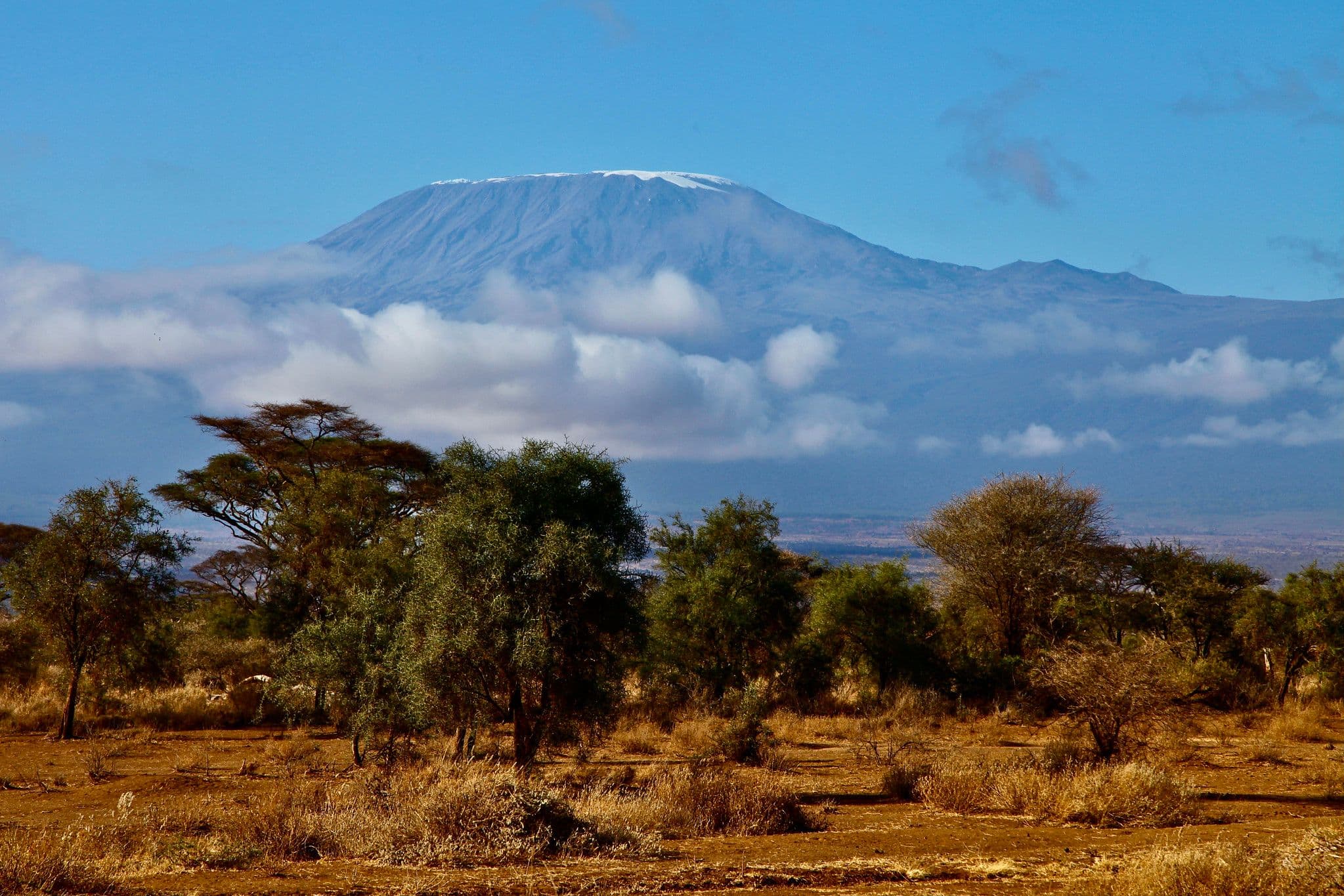
The Northern Circuit Route is the longest and one of the most scenic routes on Mount Kilimanjaro, offering the highest summit success rate due to its excellent acclimatization profile. This route circles the quieter northern slopes of the mountain, providing breathtaking panoramic views, fewer crowds, and a gradual ascent to Uhuru Peak (5,895 m), the highest point in Africa.

Highlights

What you'll experience

  • On the second morning, the plateau opens out like a tilted table — pale grass, volcanic outcrops, and the white cone of Kibo filling the horizon. Few routes cross this expanse; the Northern Circuit spends two nights here, long enough to feel its strange, high-altitude calm.

  • The route crosses terrain that sees a fraction of the mountain's foot traffic. Lava towers cast long shadows across scree fields, and on clear afternoons you look north over Kenya with no camp, no trail, no other party in sight.

  • At 4,630 m, Lava Tower is where the mountain tests you quietly. You climb high, eat lunch in the wind, then drop back to 3,900 m to sleep — the classic altitude trick that makes summit night possible.

  • The final push begins at midnight. Head torches move in single file through glacial scree, guides calling the pace — 'pole pole', slowly. At 5,895 m the crater rim materialises out of the dark, and the Eastern Ice Field glows blue-white as the sun clears the horizon below you.

  • The Northern Circuit passes the Credner and Drygalski glaciers — walls of ancient ice, striped green and white, that most climbers only see from a distance at the crater. Here, you walk beside them at the rim.

  • Between 2,800 m and 4,000 m, the giant heather zone hosts white-necked ravens, augur buzzards, and the occasional four-striped grass mouse threading through the tussocks. Nothing dramatic — just quiet proof that life persists at unlikely heights.

Why choose us

Why choose a Small Group Journey?

The Northern Circuit is Kilimanjaro's highest-success, lowest-traffic route — and the way we run it makes that difference concrete rather than promotional.

Ten Days, Not Seven

The most common reason climbers don't summit is insufficient acclimatisation time. Ten days with the Northern Circuit's natural altitude profile — climb high, sleep lower, cross the northern face slowly — gives your body the best chance the mountain allows.

Experienced Lead Guides

Our lead guides hold Wilderness First Responder certification and have summited Kilimanjaro a combined total of several hundred times across all major routes. Pulse oximeters come out before every dinner. If a climber needs to descend, they descend — with a dedicated guide, without drama.

Groups of Ten or Fewer

Larger groups slow the pace and crowd the campsites. We cap the Northern Circuit at ten climbers so Francis can know every name and every oxygen reading without consulting a clipboard.

Itinerary

your day-by-day journey

Day 1Arrival in Tanzania

Upon arrival at Kilimanjaro International Airport (JRO), you will be warmly welcomed by our representative and transferred to your hotel in Moshi. Spend the remainder of the day relaxing after your journey. In the evening, meet your experienced mountain guide for a comprehensive pre-climb briefing and equipment check to ensure you are fully prepared for your Kilimanjaro adventure.

Accommodation: Hotel in Moshi

Meal Plan: Dinner

Dinner

Day 2Londorossi Gate – Mti Mkubwa (Big Tree) Camp

Elevation: 2,100 m to 2,780 m

Distance: 6 km (3.7 miles)

Hiking Time: 3–4 hours

Habitat: Rainforest

After breakfast, drive to Londorossi Gate, where you will complete park registration and climbing formalities. Continue by vehicle to the Lemosho Trailhead before beginning your trek. Walk through the lush rainforest, home to black-and-white colobus monkeys, blue monkeys, and a variety of bird species. The trail gradually climbs to Mti Mkubwa (Big Tree) Camp, where your mountain crew will prepare dinner and your overnight camp.

Accommodation: Mti Mkubwa Camp

Meal Plan: Breakfast, Lunch & Dinner

Breakfast, Lunch, Dinner

Day 3Big Tree Camp to Shira 1 Camp

The forest thins into heather and then out entirely as the trail gains the moorland. By mid-morning the sky is enormous and the heather is head-high, threaded with giant lobelia. The Shira Plateau appears ahead — a relic caldera, level and wide, swept by a cold wind that comes off the ice without announcement.

Shira 1 Camp sits at 3,500 m at the western edge of the plateau. This is the first night where altitude may make itself known. Guides check everyone's oxygen saturation before dinner — a quiet routine that continues every evening from here.

Breakfast, Lunch, Dinner

Day 4Shira Plateau Crossing to Shira 2 Camp

A full day on the plateau, crossing from west to east with Kibo growing ahead and the flatness of the Shira caldera around you. The route passes the Shira Cathedral — a cluster of volcanic rock towers popular with technical climbers — and the views south reach to the cloud layer sitting over the lowland farms far below.

Shira 2 Camp (3,840 m) is larger and more exposed, sitting on a slight rise with Kibo filling the eastern sky at sunset. Temperatures drop sharply after dark. Down jackets come out for dinner.

Breakfast, Lunch, Dinner

Day 5Lava Tower Acclimatisation and Descent to Moir Hut

Today the route climbs to Lava Tower (4,630 m) for lunch — a deliberate push into altitude before dropping back down. The ascent threads through alpine desert, past rock hyrax colonies and the occasional clump of everlasting flowers holding their yellow heads up in the cold.

From Lava Tower the Northern Circuit diverges. Instead of dropping south to Barranco as other routes do, the trail turns north. Within an hour the landscape changes completely — fewer footprints, wider views, the mountain's quieter face. Moir Hut Camp at 4,200 m sits below the Oehler Ridge with Kenya visible in the afternoon clarity.

Breakfast, Lunch, Dinner

Day 6Moir Hut to Third Cave Camp — The True Northern Slopes

This is the day the Northern Circuit justifies its reputation. The trail traverses well above 4,000 m across the mountain's northern face, cutting through a landscape of dark lava, dusty scree, and outcrops where nothing grows. The silence here is structural — not the absence of sound but the presence of open space in all directions.

Third Cave Camp (3,870 m) is a slight descent and usually the warmest night since Day 2. Camp sits in a shallow depression that breaks the wind. Guides serve popcorn before dinner, which becomes a small tradition nobody questions.

Breakfast, Lunch, Dinner

Day 7Third Cave to School Hut via Rongai Route Junction

The route meets the Rongai trail briefly before climbing again, passing the Second and First Caves — shallow overhangs used by early climbers as shelter, their smoke-blackened ceilings still visible. The vegetation returns in sparse tufts as the trail gains the northeastern ridge.

School Hut Camp sits at 4,750 m, close enough to the crater rim that you can see the ice fields catching afternoon light above you. Dinner is served early. Most climbers sleep — or try to — for four hours before midnight.

Breakfast, Lunch, Dinner

Day 8Summit Night — Uhuru Peak and Descent to Horombo

The alarm goes at 11 pm. Head torches on, gaiters buckled, the cold arriving immediately. Francis sets the pace — steady, unhurried, the kind of walking that feels almost slow until you feel your lungs and realise it is not slow at all. The scree gives way to firmer ground near Gillman's Point (5,681 m), where the crater rim catches the first grey light of pre-dawn.

From Gillman's Point to Uhuru Peak is another hour along the rim, past the Rebmann Glacier and the Furtwangler ice remnant. At 5,895 m the summit sign is there, and so is the view — a curvature in the horizon, a shadow cast by the mountain onto the cloud layer thousands of metres below, Kenya and Tanzania both present and unaware of each other.

Descent to Horombo Hut (3,720 m) on the Marangu Route takes four to five hours on tired legs. Hot food and beds with mattresses wait at Horombo.

Breakfast, Lunch, Dinner

Day 9Horombo Hut to Marangu Gate

The final descent passes through moorland and then back into the dense montane forest — the air thickening, smelling of earth and wet leaves, each breath arriving with a new ease that feels almost indulgent after days at altitude. The Marangu Gate at 1,830 m is reached by midday.

Certificates are issued in a small ceremony at the gate: the standard summit certificate for Uhuru Peak, signed by Francis. Transport back to Moshi takes about an hour. The hotel has arranged a celebration dinner.

Breakfast, Lunch, Dinner

Day 10Moshi — Rest, Farewells, and Onward

A full rest day in Moshi. Legs are heavy, appetite is back, and the summit is already becoming a story rather than an experience. The morning is yours — the Moshi market runs until noon and the views of the mountain from town on clear days are some of the cleanest you will find anywhere.

Airport transfers depart according to individual flight schedules. Those extending into Tanzania's national parks or Zanzibar are collected by their next driver from the hotel.

Breakfast

Extensions

+8 Days

Machame Route Combination Climb

For those who want to know every face of the mountain: pair the Northern Circuit with an earlier Machame ascent led by a separate guide team. You will have stood on Uhuru twice and understood why the routes feel like different mountains.

View Details
No image
+5 Days

Zanzibar Coast Recovery

Five nights on the Zanzibar coast — Stone Town's coral architecture, a dhow snorkelling trip off Mnemba Atoll, and the kind of flat, warm horizontalness that feels extraordinary after ten days pointing upward.

View Details
No image
+6 Days

Serengeti Wildlife Add-On

A private vehicle meets you in Moshi and drives north into the Serengeti for five nights of game drives across the central plains. Between June and August the wildebeest are in the Mara ecosystem; by September the columns begin to return south, and the grass is short enough to spot cheetah at a kilometre.

View Details
No image

Dates & Prices

Prices in USD, including internal air, per person, double occupancy.

  • Jun 15 – Jun 24
    $4,250Available
  • Jul 20 – Jul 29
    $4,250Available
  • Aug 10 – Aug 19
    $4,250Available
  • Sep 7 – Sep 16
    $4,250Call for Availability

Minimum Age

16 years (under-18 climbers require parental consent and guide approval)

Safari Duffel

Porters carry a maximum of 15 kg of your gear per KINAPA regulations. Pack a summit daypack of 20–25 litres separately.

First Group Event

Route briefing, Day 1 at 6:00 pm at the Moshi pre-climb hotel

Last Group Event

Group breakfast, Day 10 at the Moshi hotel before individual airport transfers

Guaranteed Departures

All listed dates are guaranteed to operate with a minimum of two climbers. We will contact you directly if a departure falls below minimum.

Alternate Sightseeing

Weather on the summit approach varies significantly. Summit attempts are always made; turnaround decisions rest with the lead guide and are based on individual health readings, not group preference.

Stay Connected

Join Our Journey

Get weekly travel stories, photo essays, and expedition updates delivered straight to your inbox.

No spam, unsubscribe anytime