Speak to us | +256 703 999252
Arrive Africa Safaris
Rhinos, Rangers, and the Laikipia Plateau

Private Journey

Rhinos, Rangers, and the Laikipia Plateau

View Itinerary

Overview

About this journey

Ol Pejeta Conservancy is where the last two northern white rhinos on earth live, watched over by armed rangers twenty-four hours a day. It is also where black rhino conservation in Kenya is working — numbers here are rising, and the rangers who protect them are willing to explain exactly how. This 10-day private journey follows the conservation thread from Laikipia south to the Maasai Mara, linking two of Kenya's most important wildlife landscapes.

Highlights

What you'll experience

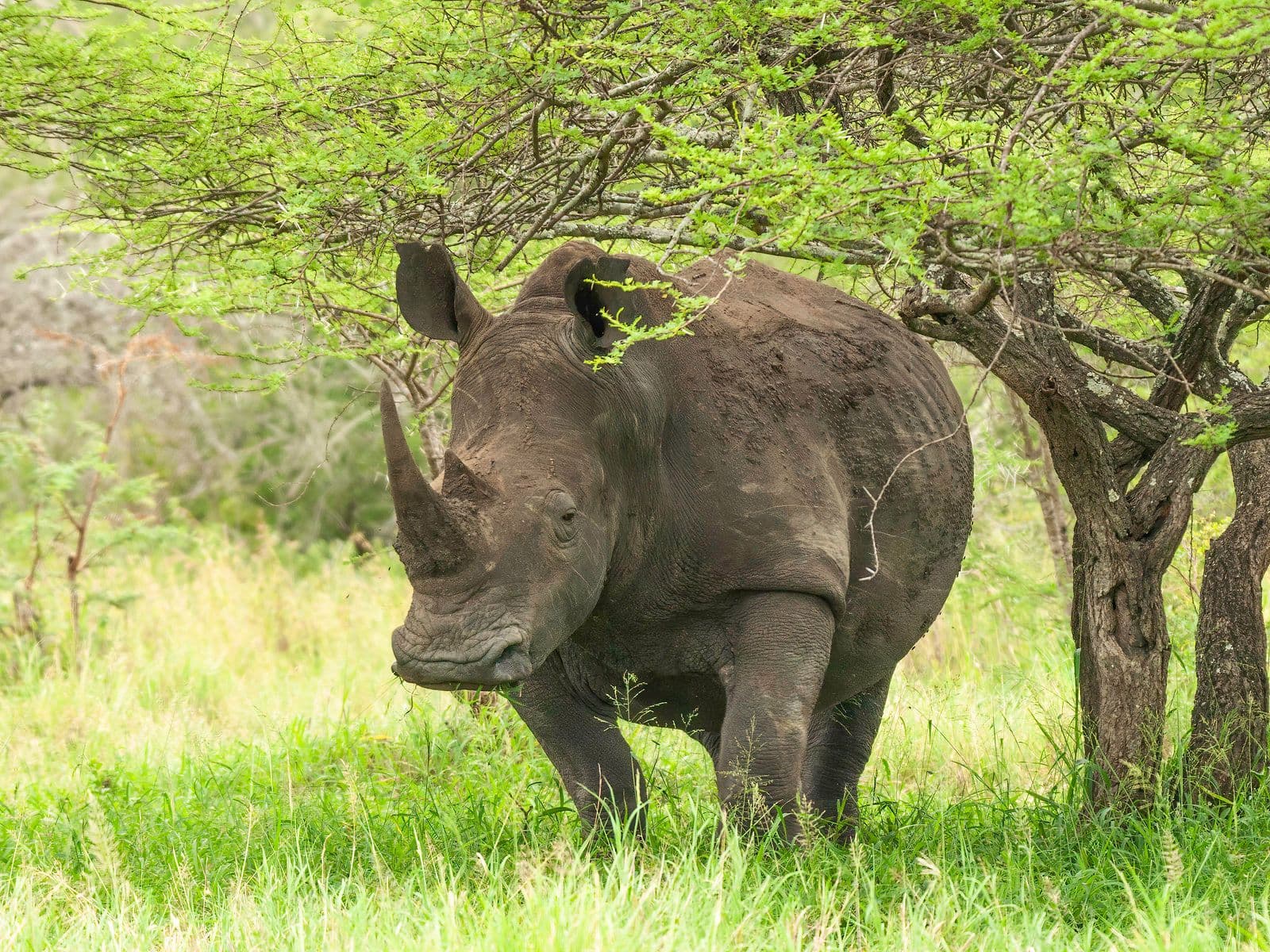
  • Ol Pejeta holds the largest black rhino population in East Africa. A morning tracking session on foot with a conservation team member — not a scripted tour, but an actual monitoring walk, with radio contact to the ranger network — puts you inside the daily work of rhino protection.

  • Najin and Fatu, the world's last northern white rhinos, live at Ol Pejeta under permanent guard. A visit is quiet and deliberate. The conservancy's scientific team is working on assisted reproduction; your guide presents the science honestly, including the uncertainties.

  • Lewa's conservancy model has been replicated across northern Kenya and is genuinely worth understanding. A drive through the northern zone with a Lewa guide, and a meeting with someone from the community development team, makes the economics of conservation tangible.

  • The southern section of this journey drops into the Maasai Mara in late July, when the wildebeest vanguard is crossing into Kenya. Lion prides near the river, leopard in the fig trees, cheetah on the open plains — the Mara in July is at full operational capacity.

  • The Laikipia plateau holds the largest population of Grevy's zebra — the endangered, large-eared cousin of the common zebra — outside a protected park. Seeing them alongside reticulated giraffe and Beisa oryx on an open plain is a reminder that Laikipia is doing something right.

Why choose us

Why choose a Private Journey?

This journey is built around two questions that Kenya's conservation community is actively working on: how do you protect a species at the edge of extinction, and how do you make wildlife pay for communities who live alongside it? The answers are specific, complicated, and worth knowing.

Conservation access that goes beyond the game drive

Monitoring walks with Ol Pejeta rangers, community livelihood visits at Lewa, conservancy briefings at Mara North — the conservation story here is told by the people who live it, not summarised in a lodge leaflet.

Private vehicle, private pace

From Nairobi to the Mara, you travel with one guide and one vehicle. You stop when something is interesting. You stay with a sighting as long as it stays interesting. That is the only operational mode we know.

A route that makes geographic sense

Laikipia and the Maasai Mara are linked by the wildlife corridor that elephants and wild dogs use. This itinerary follows that logic south — landscape to landscape — rather than bouncing between unrelated parks.

Itinerary

your day-by-day journey

Day 1Arrive Nairobi, drive to Ol Pejeta

Your guide meets you at Jomo Kenyatta International Airport for the four-hour drive north through Nairobi traffic and up onto the Laikipia plateau. The road to Nanyuki is fast once you clear the city; the mountain appears and disappears behind cloud as you drive.

Ol Pejeta's Pejeta Plains Lodge is a low-key, well-run property inside the conservancy boundary. After check-in, a conservation officer gives an evening briefing on the rhino monitoring programme — this is the context that makes tomorrow's walk meaningful.

Dinner

Day 2Rhino monitoring walk and conservancy game drive

The monitoring walk begins at 6:30 a.m. with a conservancy ranger and a field researcher. You move on foot through the acacia scrub, following GPS tracks of collared individuals. When you find a black rhino — and you usually do — you approach downwind to within about sixty metres and stay still. The rhino is aware of you. So far he does not care.

The afternoon is a full conservancy game drive: lion, elephant, buffalo, and the Grevy's zebra that graze near the Ewaso Nyiro River. The conservancy operates night drives too — possible if your group wants them.

Breakfast, Lunch, Dinner

Day 3Northern white rhino visit, then drive to Lewa

A morning visit to the northern white rhino enclosure — a large fenced area within the conservancy where Najin and Fatu live with their permanent security detail. The visit is managed carefully: small groups only, no approaching closer than the rangers permit. The Ol Pejeta team's candour about the scientific challenges is more affecting than any scripted presentation could be.

After lunch, a two-hour drive north and east to Lewa Wildlife Conservancy. The landscape opens into wide plains where reticulated giraffe are silhouetted against the sky most afternoons.

Breakfast, Lunch, Dinner

Day 4Lewa — community conservation in practice

A morning drive with a Lewa guide who has worked the northern zone for eleven years. She knows which waterhole the black rhino mothers prefer in July, and she knows the community elders whose agreement makes this whole 65,000-acre conservancy function.

The afternoon involves a visit to a Lewa community school and a conversation with someone from the livelihood programme — beekeeping cooperatives, camel milk collectives — that channels conservancy revenue into surrounding settlements. This is not a photo opportunity; it is an explanation of why the wildlife is still here.

Breakfast, Lunch, Dinner

Day 5Lewa to Maasai Mara by light aircraft

Lewa's airstrip is grass, and the forty-seat scheduled service south to Wilson Airport connects with a Mara charter. Total flight time is under two hours; you are in the Mara by lunch.

Your guide meets the aircraft at the airstrip and drives directly west toward the Mara River. In late July the wildebeest are crossing in earnest, and the guide reads the radio chatter from other vehicles to position you at the right bend. Sundowner at a kopje overlooking the plain.

Breakfast, Lunch, Dinner

Day 6Full Mara day — migration and predators

Dawn to dusk in the Mara: an early morning drive focused on the river crossing points, then a midday break at camp, then an afternoon drive through the cheetah and lion territories north of the river. Your guide, James, has a strong preference for going slow rather than covering distance — he would rather spend an hour with one leopard than race between twenty sightings.

Evening debrief over the fire: birds seen, mammals recorded, questions answered about everything the day raised.

Breakfast, Lunch, Dinner

Day 7Walking safari and conservancy visit

A three-hour guided walking safari with an armed ranger along the Mara River bank — the guided walk format strips away the vehicle and puts you at ground level where tracks and dung and wind direction all suddenly matter. You move quietly and frequently stop.

The afternoon is spent at the Mara North Conservancy office, where the community liaison officer walks through how lease payments are distributed and how wildlife corridors are negotiated with neighbouring pastoralist communities. The Laikipia thread continues here in a different register.

Breakfast, Lunch, Dinner

Day 8Birding and big-cat morning, final game drive

The Mara North is seriously good for birds: lilac-breasted rollers on every dead acacia, secretarybirds hunting through the short grass, martial eagles riding thermals above the river. Your guide carries a bird list and adds to it methodically throughout the morning.

Afternoon: one more long drive in the direction of the lion pride your guide has been tracking all week. They are usually found near the lugga on the conservancy's eastern boundary — a lioness with four sub-adult cubs who learned to hunt wildebeest calves this season.

Breakfast, Lunch, Dinner

Day 9Morning drive, fly to Nairobi

Final morning drive before the midday airstrip transfer. Flight to Wilson Airport, then ground transfer to Nairobi city or onward to JKIA for international connections.

If your flight is tomorrow, a city hotel in Karen is well-placed for a half-day at Nairobi National Park or a visit to the David Sheldrick Wildlife Trust elephant orphanage.

Breakfast

Day 10Depart Nairobi

Transfer to Jomo Kenyatta International Airport. Your guide will have already briefed you on check-in timings and terminal logistics the evening before. Safe travels home.

Breakfast

Extensions

+3 Days

Amboseli — elephants and the mountain

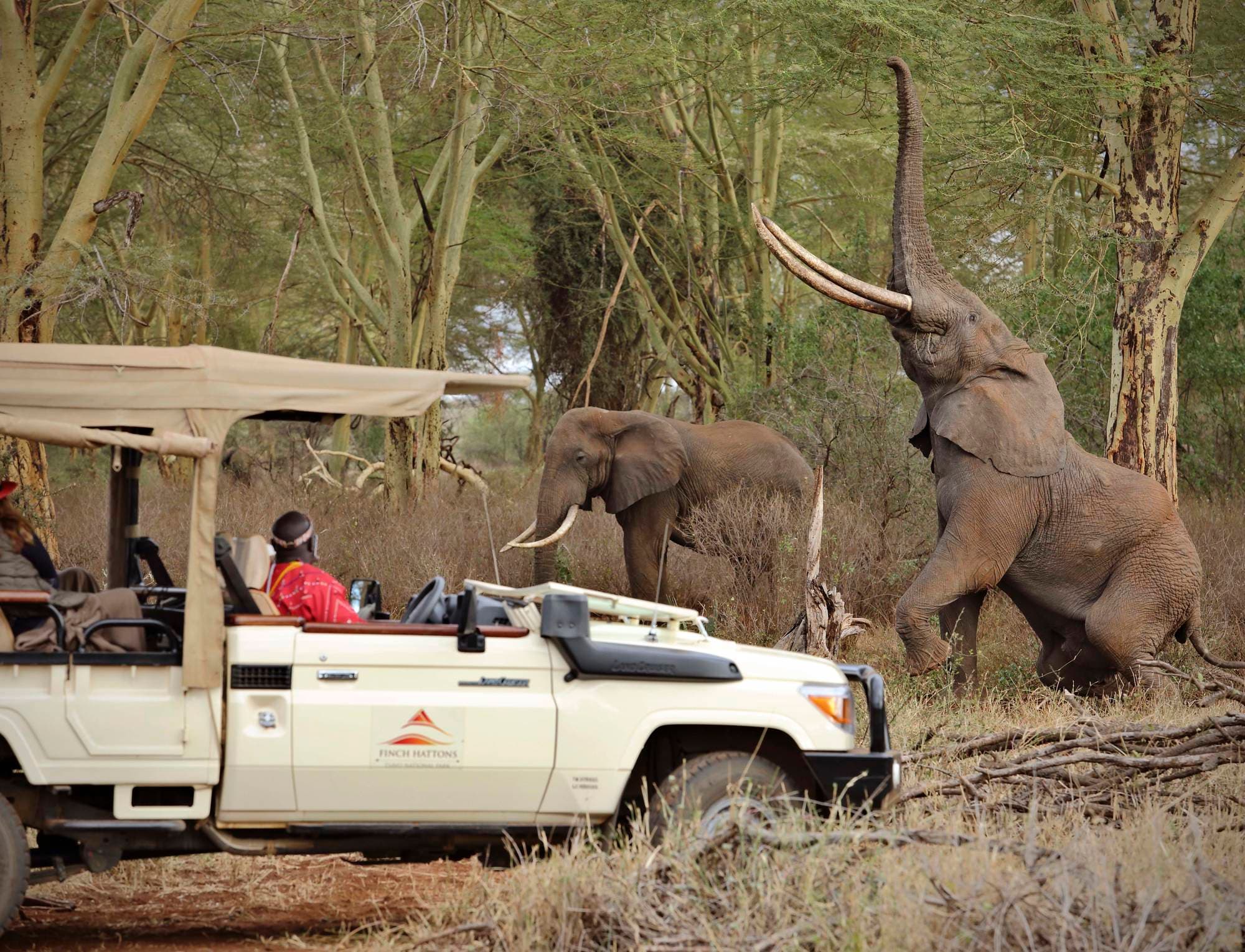
From Nairobi, drive south to Amboseli for two nights. The elephant families that move through the Amboseli marsh are the most studied in the world, and Kilimanjaro's snow cap appears on clear mornings above the treeline in a way that seems almost too cinematic to be real.

View Details
No image
+5 Days

Lamu Archipelago coast stay

Fly from Nairobi to Lamu Island for four nights on the Indian Ocean. The old town is a UNESCO World Heritage Site — no cars, donkeys in the lanes, a working dhow harbour. Snorkelling, sailing, and the best seafood on the East African coast.

View Details
No image

Dates & Prices

Prices in USD, including internal air, per person, double occupancy.

  • Jul 5 – Jul 14
    $9,750Available
  • Sep 20 – Sep 29
    $9,750Available

Minimum Age

8 years. Children are welcome on all game drives. The rhino monitoring walk requires guests to be able to walk quietly for up to three hours on uneven terrain.

Safari Duffel

Soft bags only — maximum 15 kg per person for light aircraft transfers. Hard luggage can be stored in Nairobi.

First Group Event

Welcome dinner and conservation briefing, Pejeta Plains Lodge, evening of day 1

Last Group Event

Farewell dinner, Mara Sandbank Camp, evening of day 8

Guaranteed Departures

All departures are private and guaranteed from a minimum of 2 guests.

Alternate Sightseeing

Rhino sightings during monitoring walks cannot be guaranteed but success rates at Ol Pejeta are consistently high. An alternative conservancy vehicle drive is scheduled if the walk is disrupted by weather.

Stay Connected

Join Our Journey

Get weekly travel stories, photo essays, and expedition updates delivered straight to your inbox.

No spam, unsubscribe anytime