
Uganda · East Africa
Murchison Falls National Park
The Nile forced through a seven-metre gorge, with big game on the delta flats below it.
The place
About Murchison Falls National Park
- Country
- Uganda
- Region
- East Africa
- Park area
- 3,893 km²
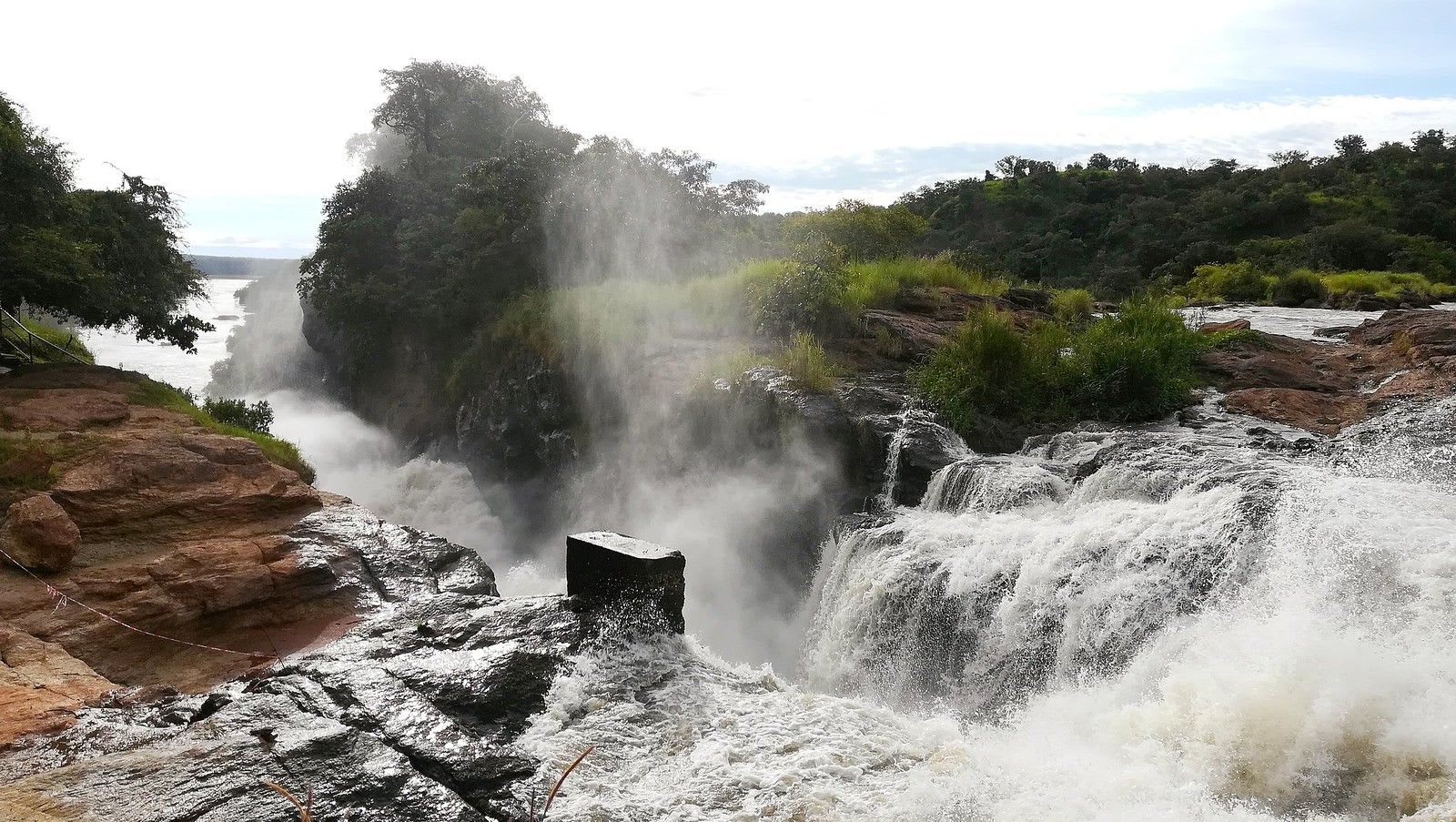
The Nile narrows to a seven-metre gap in the rock and then falls forty-three metres into a churning red pool below. That is Murchison Falls — the defining image of Uganda's largest national park — and standing on the cliff edge with spray on your face, you understand immediately why the park carries its name. The roar carries for kilometres. Carmine bee-eaters loop through the mist.
Savannah, River and Forest in One Park
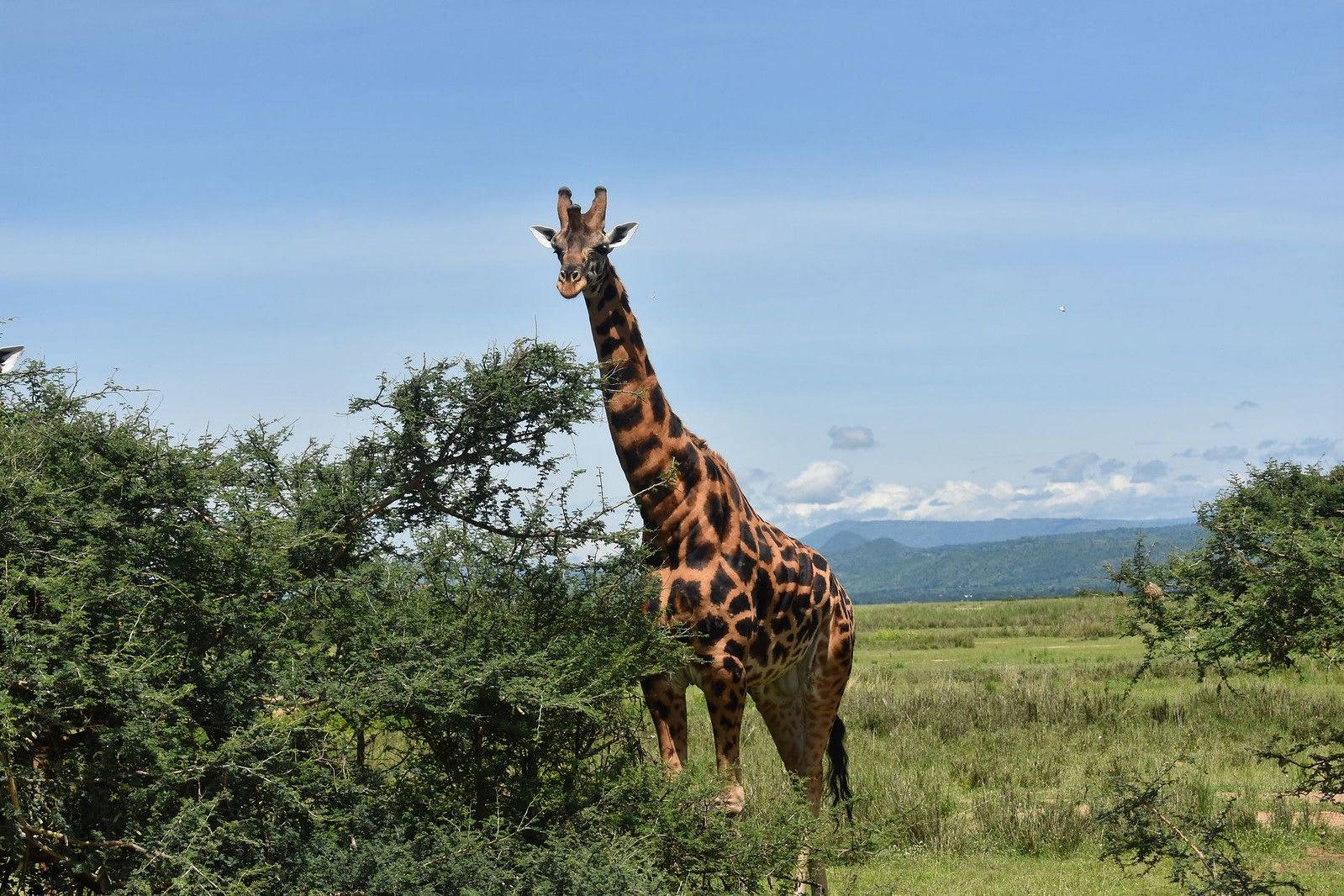
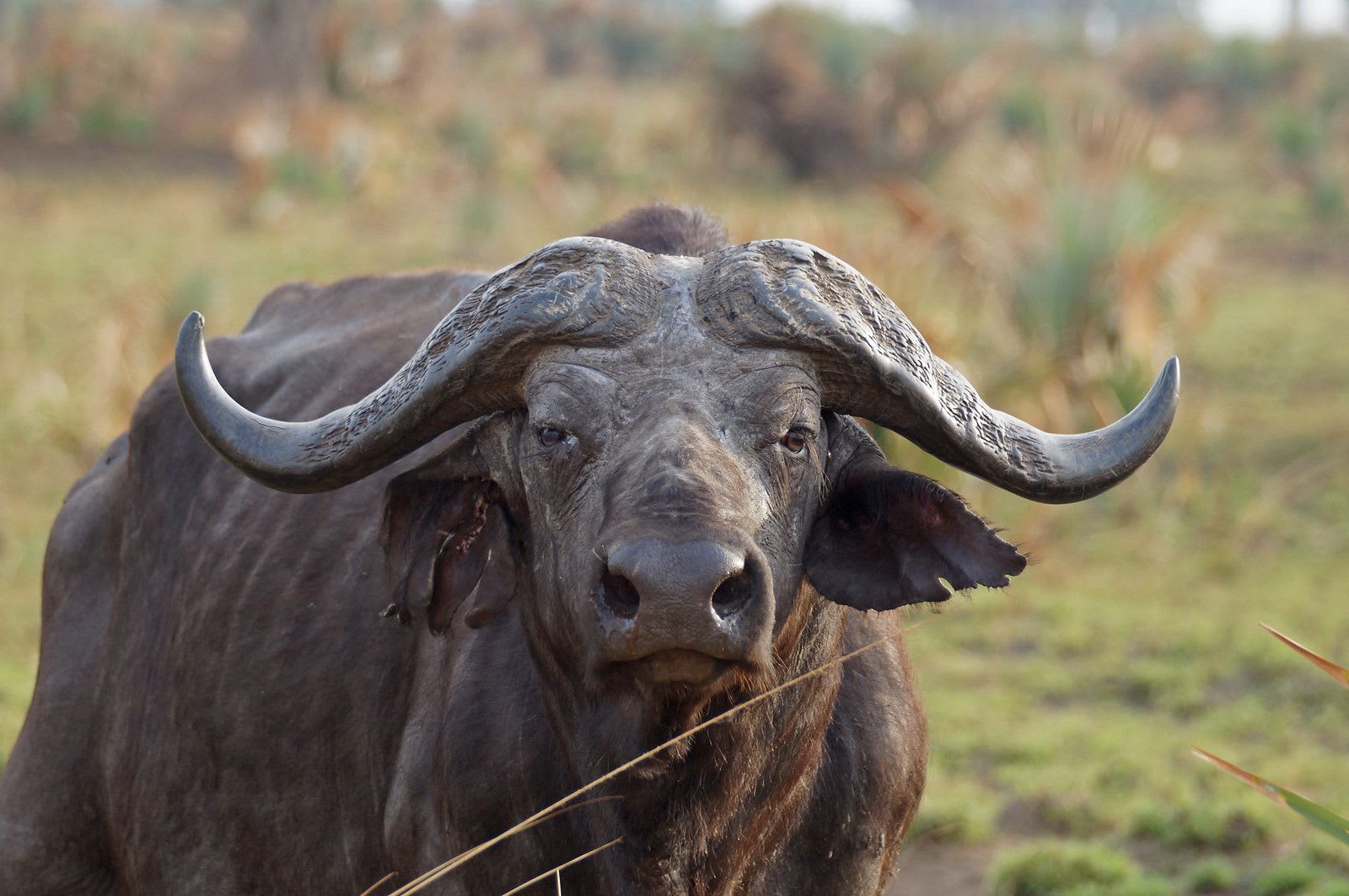
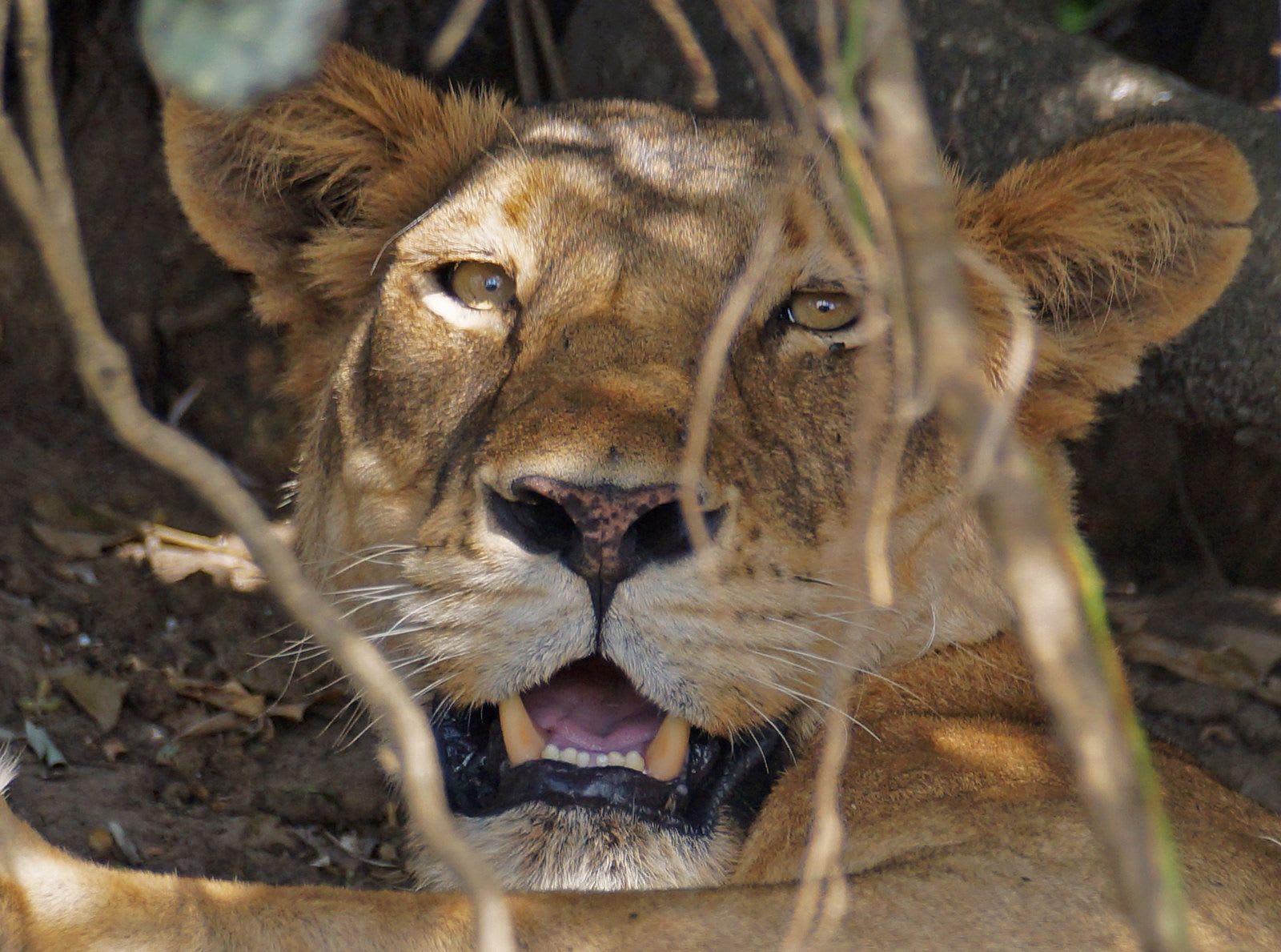
North of the falls the landscape opens into broad savannah where Rothschild's giraffes — one of the world's rarest giraffe subspecies — move between borassus palms, and lions sleep in the acacia shade through the afternoon heat. Buffalo herds trail dust across the murram roads while Uganda kob strut on open flats, their amber coats catching the low light of a late afternoon game drive. The park holds all of this without the crowd pressure you find further south.
The Victoria Nile is the park's spine. A boat trip upriver from Paraa to the base of the falls is among the best wildlife experiences in East Africa: hippos surface a body-length from the hull, Nile crocodiles bask on sandbanks, and the riverbanks are threaded with African fish eagles, giant kingfishers, and Goliath herons standing statue-still in the shallows. On a good morning the water is pewter-smooth before the falls and the noise builds gradually, almost imperceptibly, until it fills everything.
Budongo and the Chimpanzees of the South
Drop south from the main savannah and the Budongo Forest Reserve begins — a cathedral mahogany forest that holds one of Uganda's largest habituated chimpanzee communities. Tracking here feels different from Kibale: denser canopy, older trees, the chimps often moving fast through upper branches. A guide named Robert once put it simply: "Budongo chimps know the forest is theirs. You are a visitor and they know it." Olive baboons, red-tailed monkeys, and over 360 recorded bird species share the same corridor.
Murchison rewards slow travel. Stay two nights on the north bank, one night near the Budongo forest edge, and the park reveals different textures each time — dawn mist over the Nile, a leopard print in the red soil at midday, the calls of black-and-white casqued hornbills through the trees at dusk.
Safaris here
Safaris that visit Murchison Falls National Park
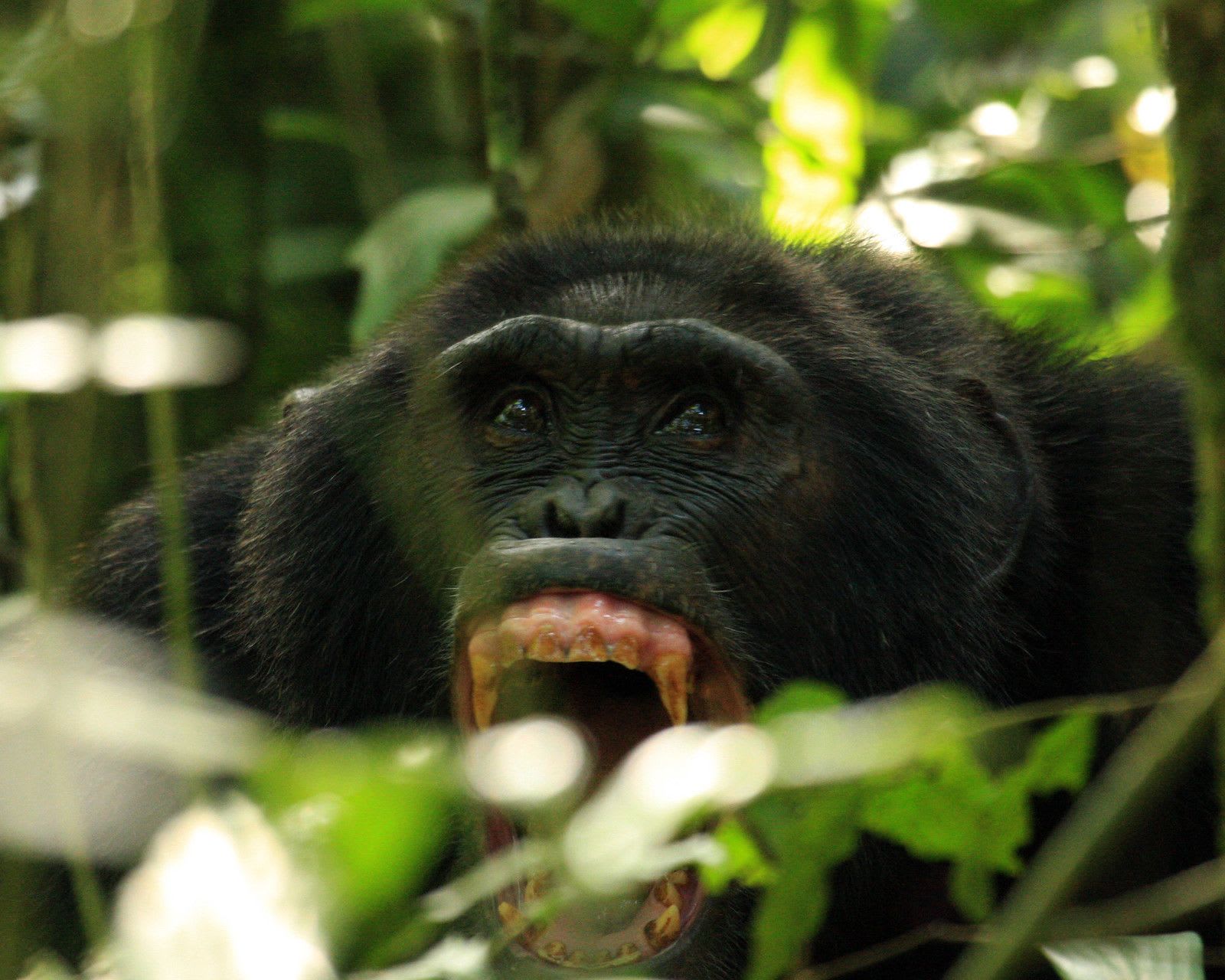
1 Day Chimpanzee Trekking in Budongo Forest
1 day · Private · Limited to 6 guests
Itinerary
Murchison Falls National Park
2 Days at Murchison Falls and the Nile
2 days · Private · Limited to 6 guests
Itinerary
Murchison Falls National Park
3 Day Murchison Falls & Ziwa Rhino Safari
3 days · Private · Limited to 6 guests
Itinerary
Murchison Falls National Park
3 Days Fly-In Safari to Murchison Falls National Park Uganda
3 days · Private · Limited to 4 guests
Itinerary
Murchison Falls National Park

5 Days Murchison Falls Big Five Safari, Chimpanzee Tracking & Rhino Trekking Adventure
5 days · Private · Limited to 6 guests
Itinerary
Murchison Falls National Park
6 Days Budget Uganda Wildlife Safari – Murchison Falls, Queen Elizabeth & Chimpanzee Trekking
6 days · Small Group · Limited to 8 guests
Itinerary
Murchison Falls National Park · Queen Elizabeth National Park