Destination
Uganda
Safaris in Uganda
Showing 9 of 58 safaris
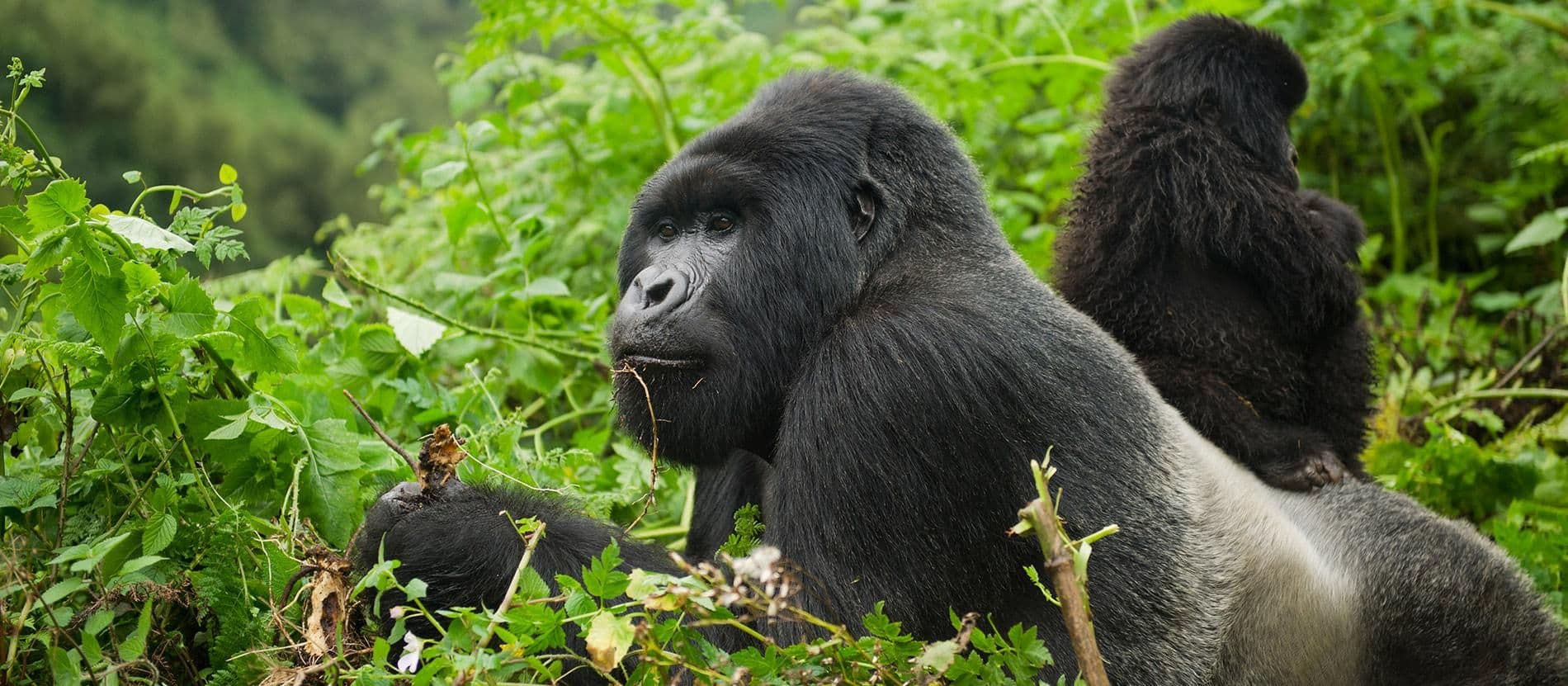
1-Day Gorilla Trekking Safari in Uganda
1 days
Itinerary
Gorilla Trekking Experience in Bwindi Impenetrable National Park
From $1,230 per person.
View Safari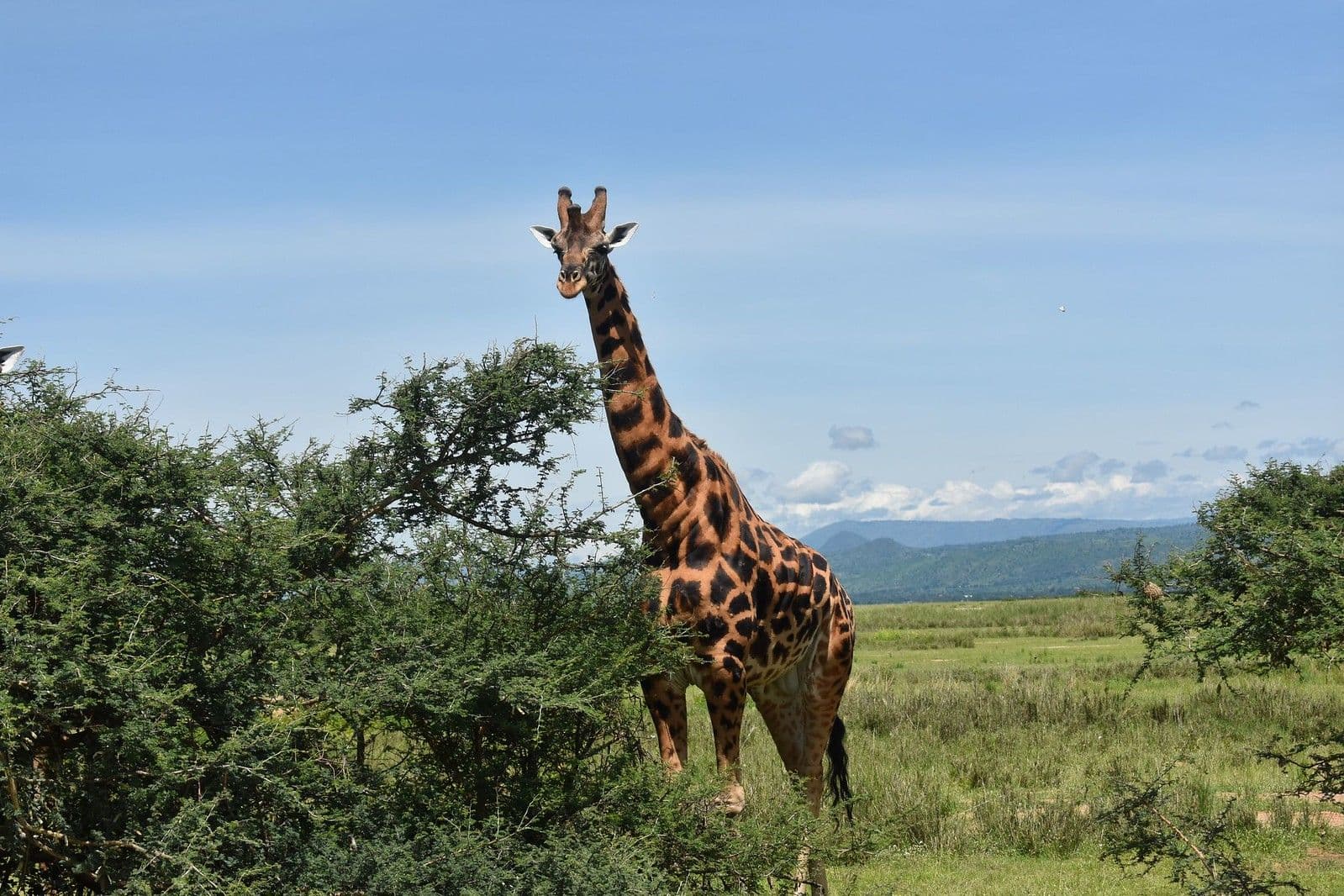
2 Days at Murchison Falls & the Nile
2 days • Limited to 6 guests
Itinerary
Murchison Falls National Park
From $620 per person.
View Safari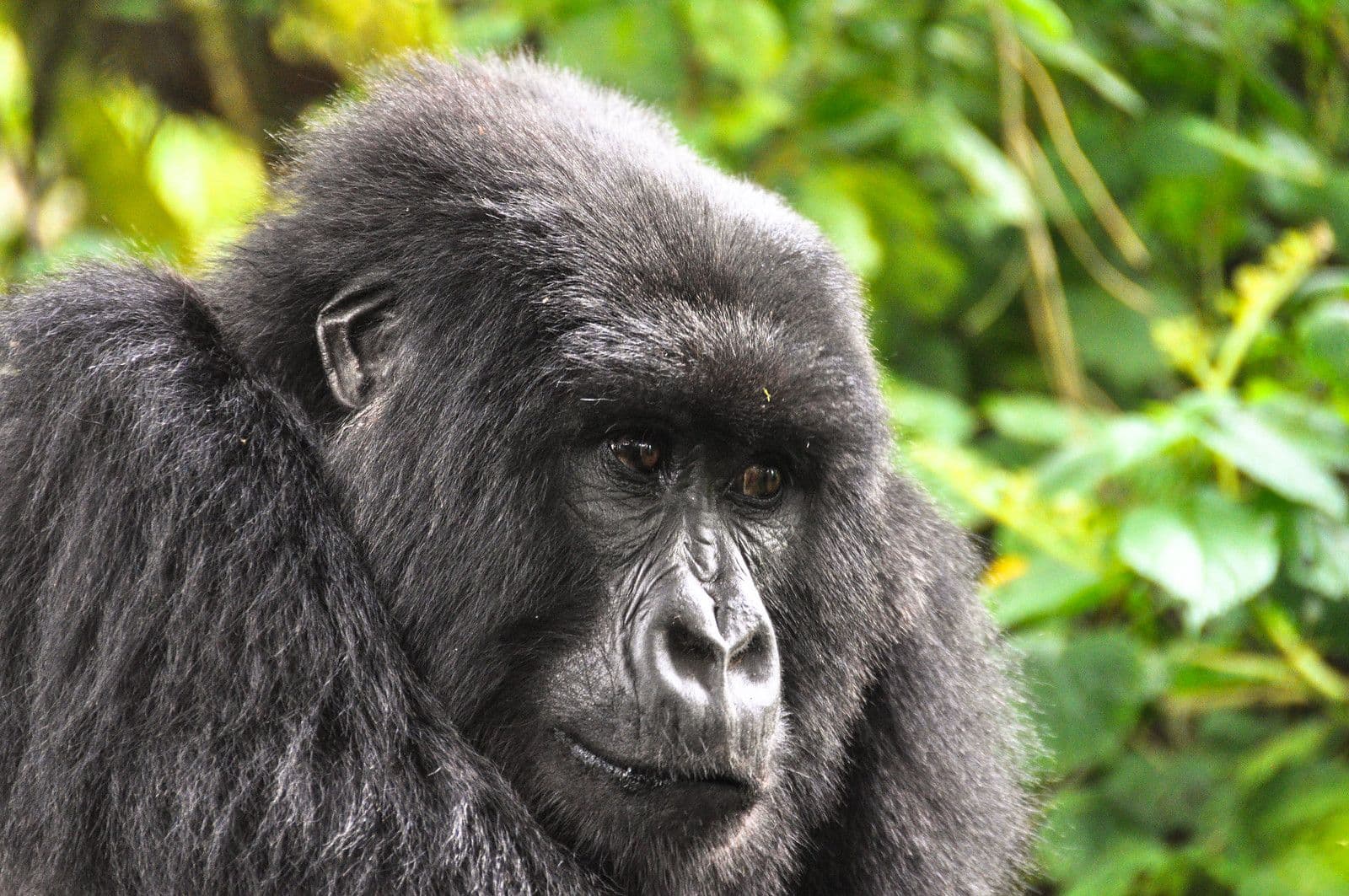
🦍 2-Day Gorilla Trekking Safari from Rwanda to Bwindi Impenetrable National Park – Uganda
2 days • Limited to 6 guests
Itinerary
Bwindi Impenetrable Forest
From $2,450 per person.
View Safari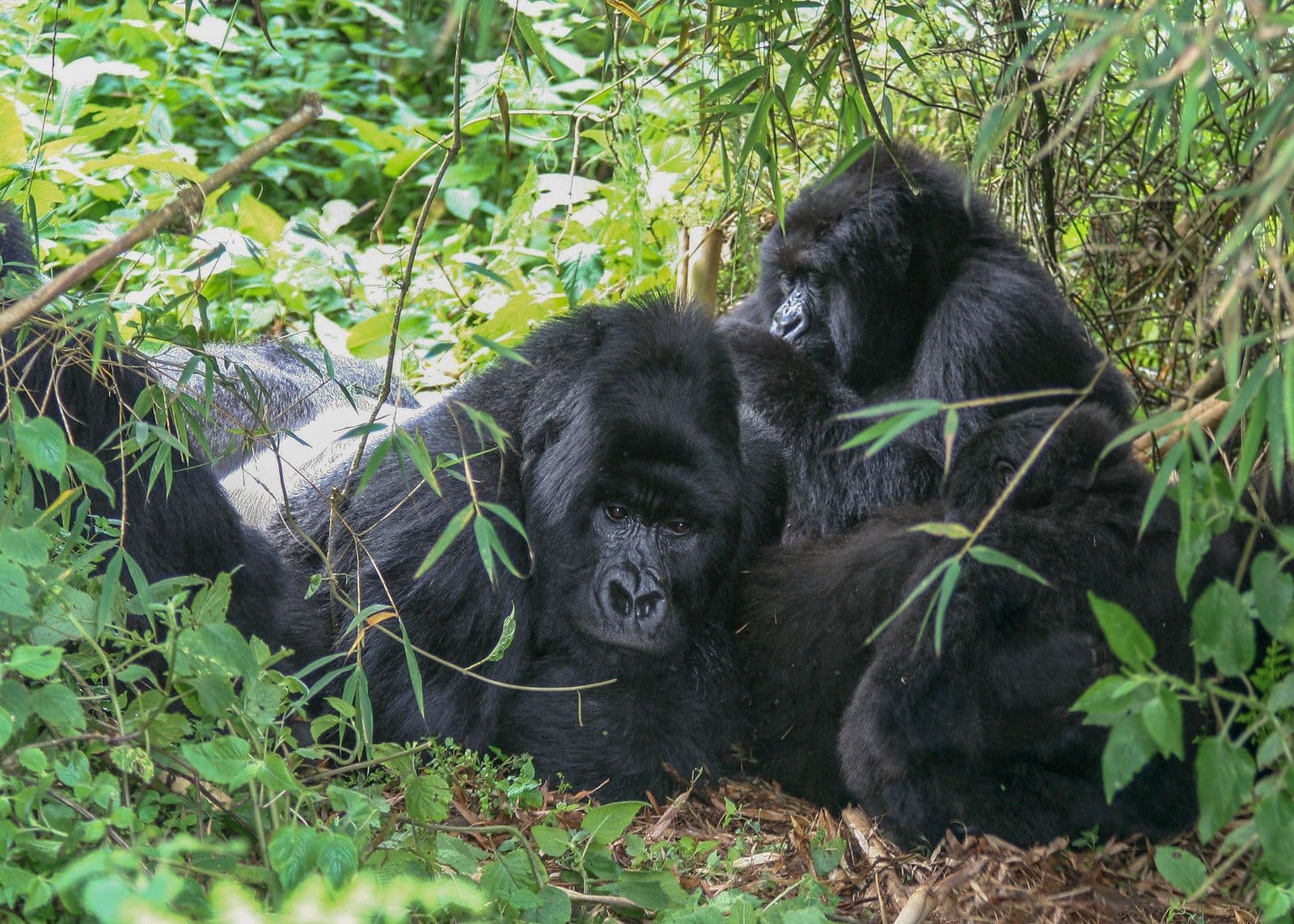
3 Days Fly-In Gorilla Safari Uganda – Luxury Gorilla Trekking Adventure in Bwindi Impenetrable National Park
3 days • Limited to 6 guests
Itinerary
Bwindi Impenetrable Forest
From $4,850 per person.
View Safari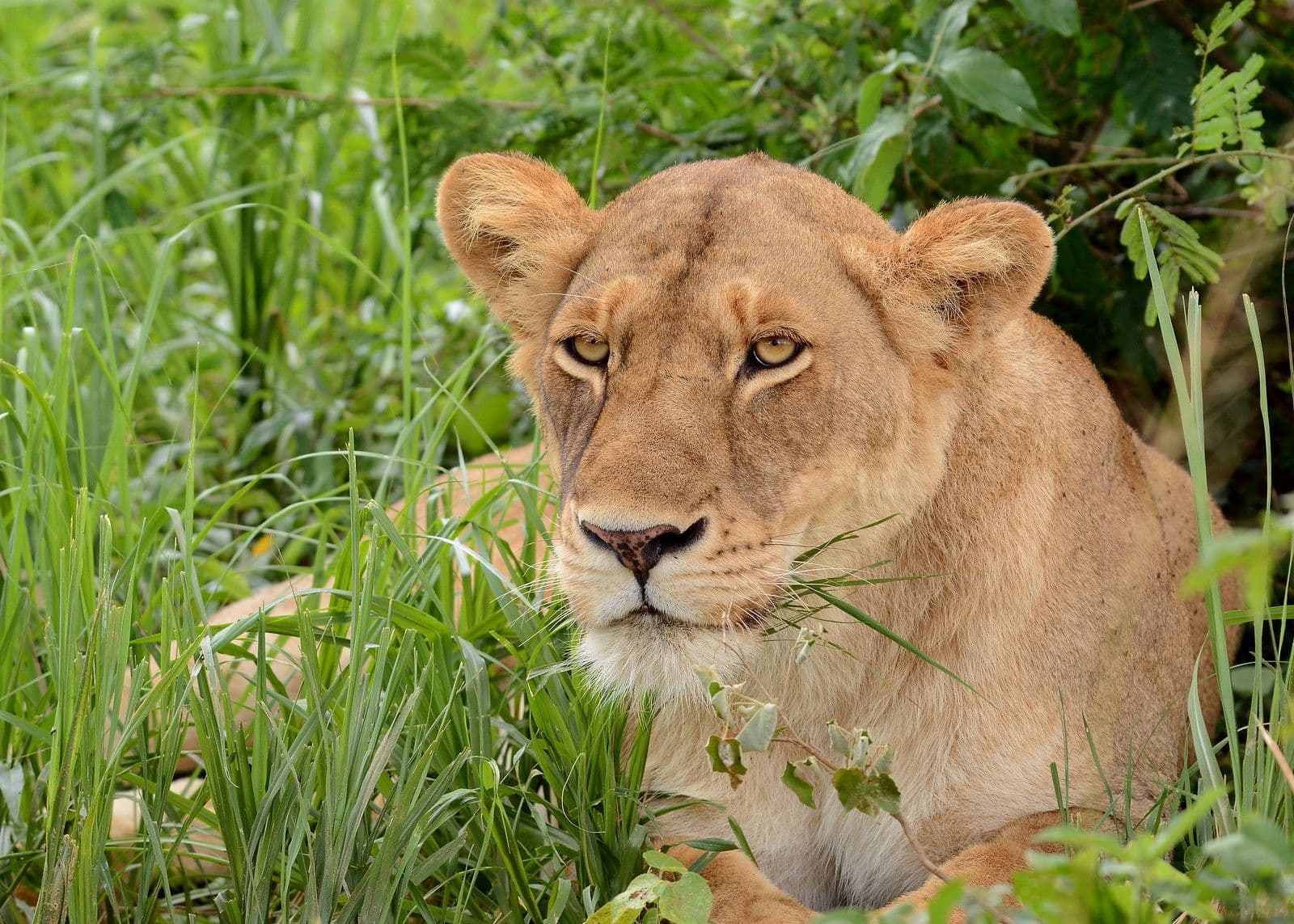
2 Days Day Queen Elizabeth National Park Safari – Uganda
3 days • Limited to 6 guests
Itinerary
Murchison Falls National Park
From $3,850 per person.
View Safari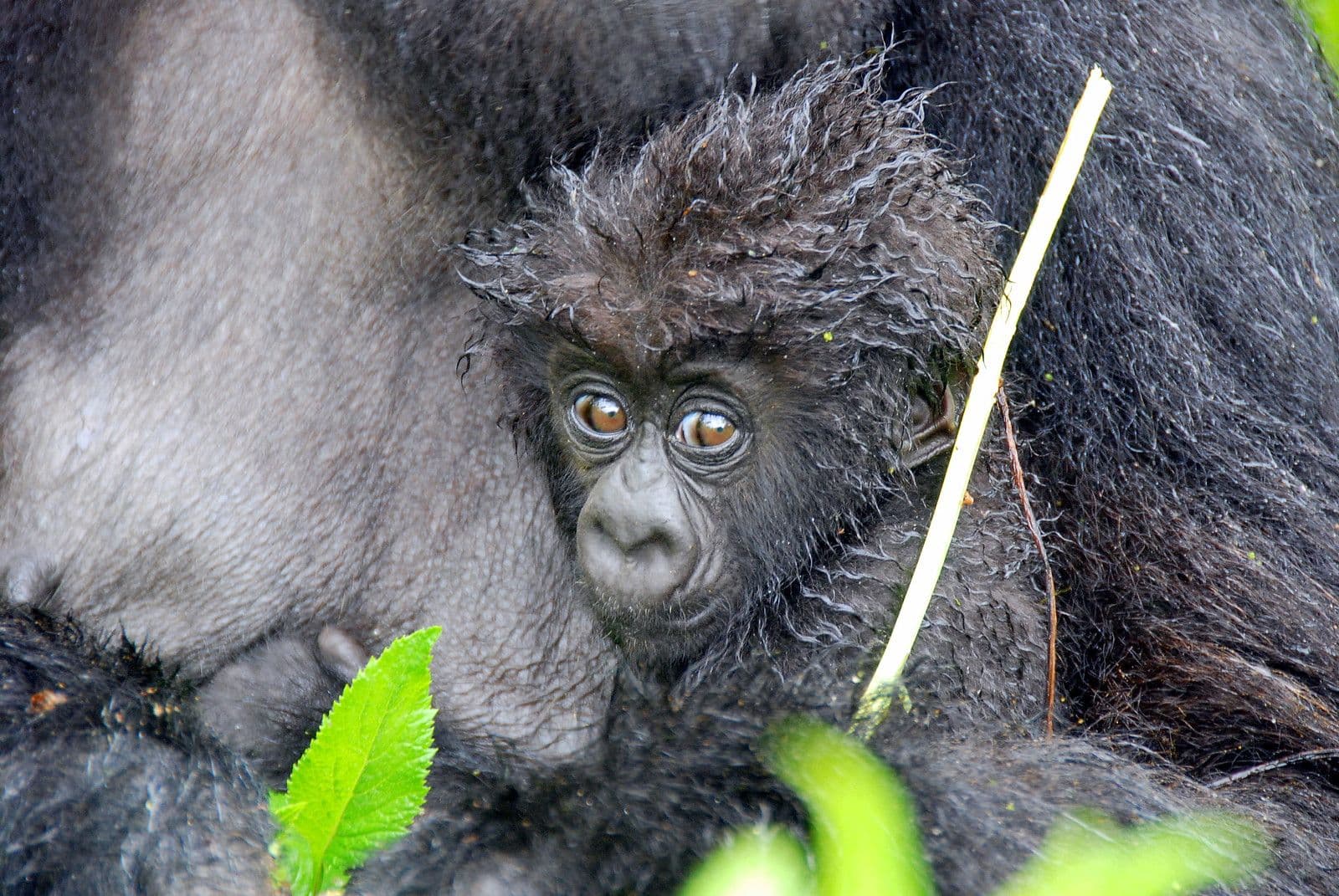
3 Day Bwindi Gorillas and Lake Bunyonyi by Boat
3 days • Limited to 6 guests
Itinerary
Bwindi Impenetrable Forest
From $1,950 per person.
View Safari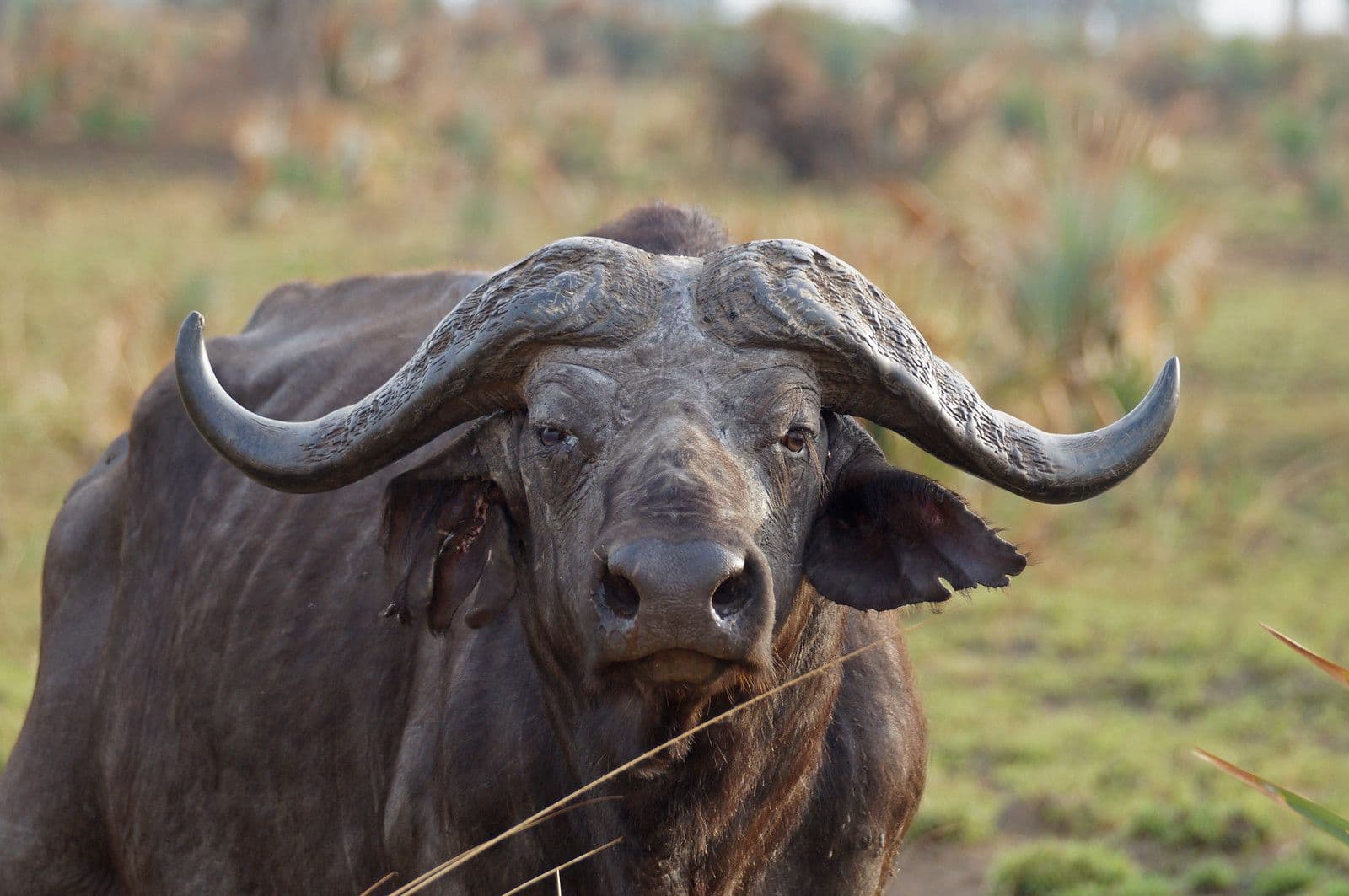
3 Day Murchison Falls & Ziwa Rhino Three-Day Safari
3 days • Limited to 6 guests
Itinerary
Murchison Falls National Park
From $890 per person.
View Safari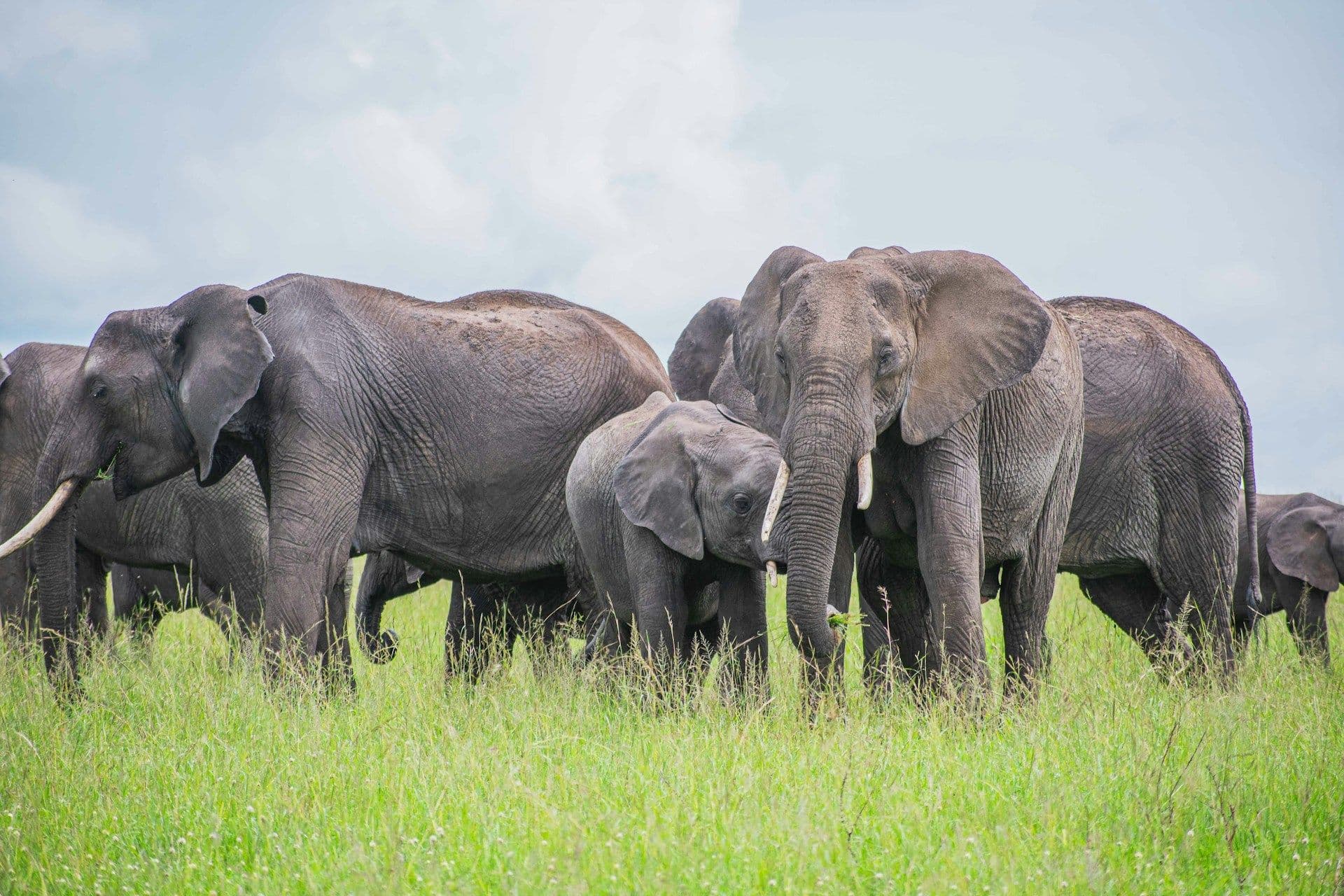
3-Day Queen Elizabeth National Park Safari Uganda – Wildlife, Boat Cruise & Big Game Experience
3 days • Limited to 6 guests
Itinerary
Queen Elizabeth National Park
From $1,490 per person.
View Safari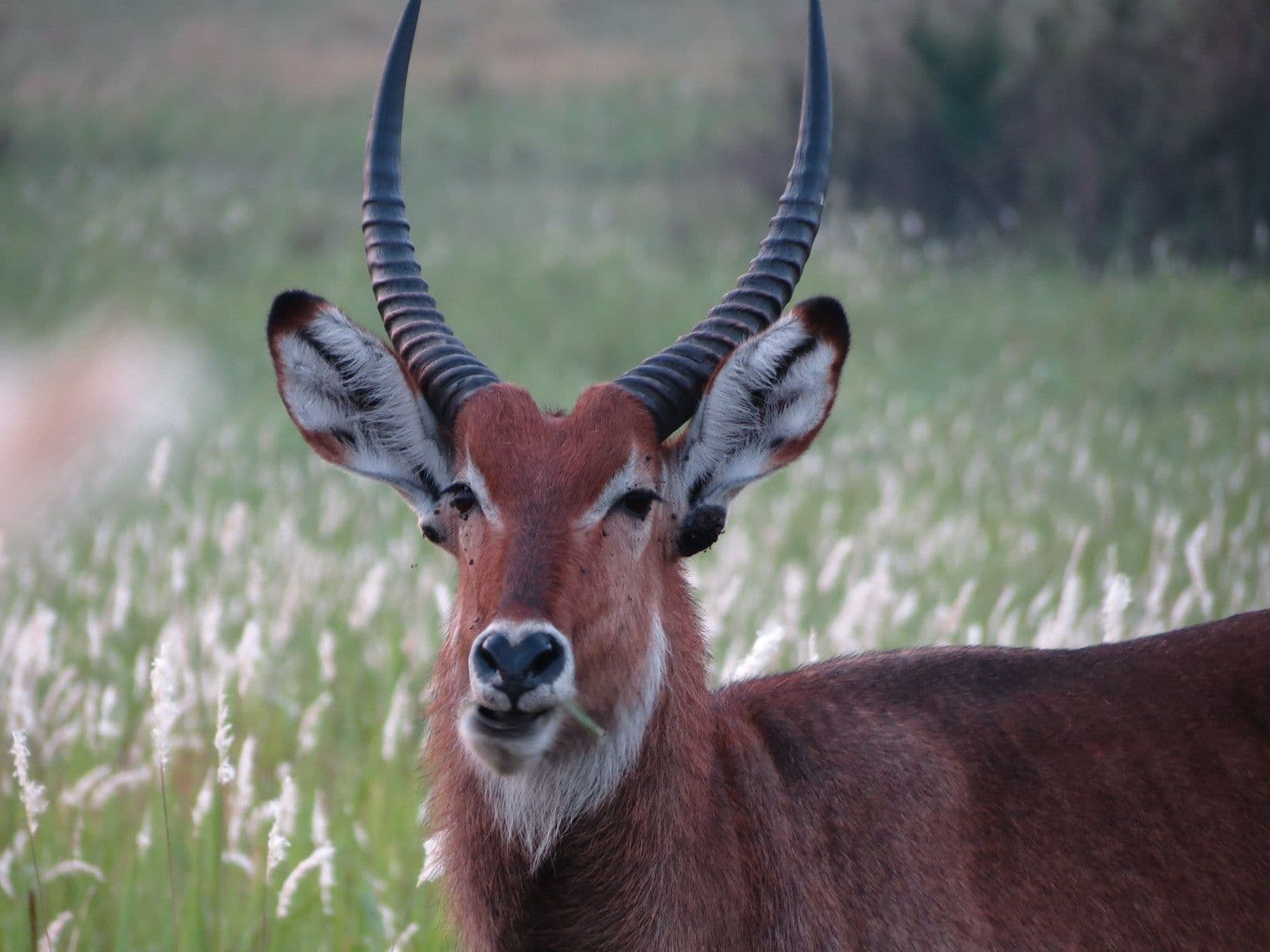
3 Day Lake Bunyonyi Honeymoon Safari Uganda – Romantic Uganda Safari Holiday
3 days • Limited to 2 guests
Itinerary
Bwindi Impenetrable Forest
From $1,890 per person.
View Safari