First, the rules of engagement
The rule in Bwindi is simple. One hour with the gorillas, then you leave. The Uganda Wildlife Authority enforces it to the minute, and your guide will tap his watch when the time comes. What nobody tells you is that the first seven minutes are the ones you'll remember.
The Mubare group was the first to be habituated for tourism in Bwindi, back in 1993. Today they live on the northern edge of the forest, near Buhoma. Reaching them takes anywhere from one to four hours of hiking, depending on where they slept the night before. The trackers radio your guide as you climb. When the radio crackles to life with their location, your guide nods once and changes pace.
You smell them before you see them. The forest goes quiet in a way that's hard to describe — not silent, exactly, but attentive. Then a branch moves where no wind is moving it, and you realise you've been looking at a silverback for several seconds without knowing it.
Now the action
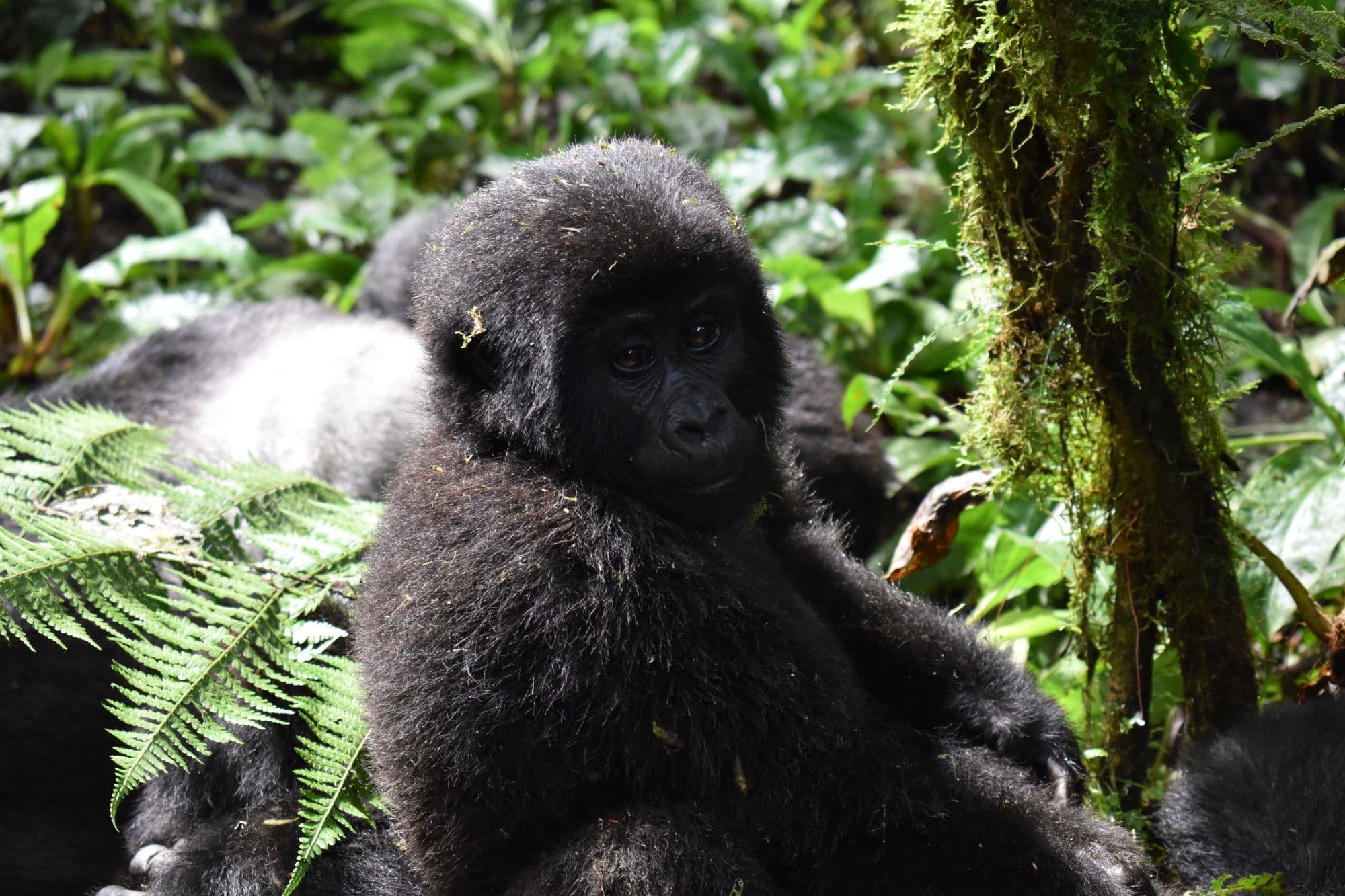
The silver-grey of his back is closer to the colour of wet stone than anything you'd call silver. He doesn't look at you. He looks past you, the way a person does when they've decided you're not worth the trouble. A juvenile rolls down a slope of vines and lands at your boot, then climbs up its mother's leg without a glance back. You realise you've stopped breathing.
Your guide, Medad, has been doing this for seventeen years. He's already laughing softly — he's seen this face on a hundred guests. Later, over tea at the lodge, he explains:
They always forget to breathe in the first minutes. That's how you know it's working. After that they remember they have a camera. The camera is the end of the moment.
This is why we tell guests to leave the camera in the bag for the first ten minutes. Take the photographs in the second half-hour. Use the first to actually be there. Nobody has ever come back from Bwindi wishing they had more pictures. Plenty have come back wishing they'd looked more.
The logistics
A gorilla permit in Uganda costs $800 per person at time of writing, and the money goes directly into the conservation work that has brought the mountain gorilla back from the brink. When you trek with us, you're not buying access. You're paying the wages of the trackers, the rangers, and the community scouts who make sure the forest is still here next year.