
The First Question to Ask
Before choosing a destination, answer this: what does every member of the family find genuinely compelling? Not "wildlife in general" — specific things. One child wants to see cheetah. Another wants to hold a dung beetle. A parent wants a morning with no agenda. A grandparent needs a bed that doesn't require climbing stairs. The itinerary that serves all of those is not impossible, but it requires honest conversation before anyone opens a brochure.
This is where working with a guide who has spent real time with families pays off. Sera Achieng, who leads multi-generational trips for Arrive Africa, keeps a running list of which camps have naturalist programmes for under-twelves, which have pools deep enough for teenagers to actually use, and which have staff who genuinely enjoy children rather than merely tolerating them.
Ages and What They Change
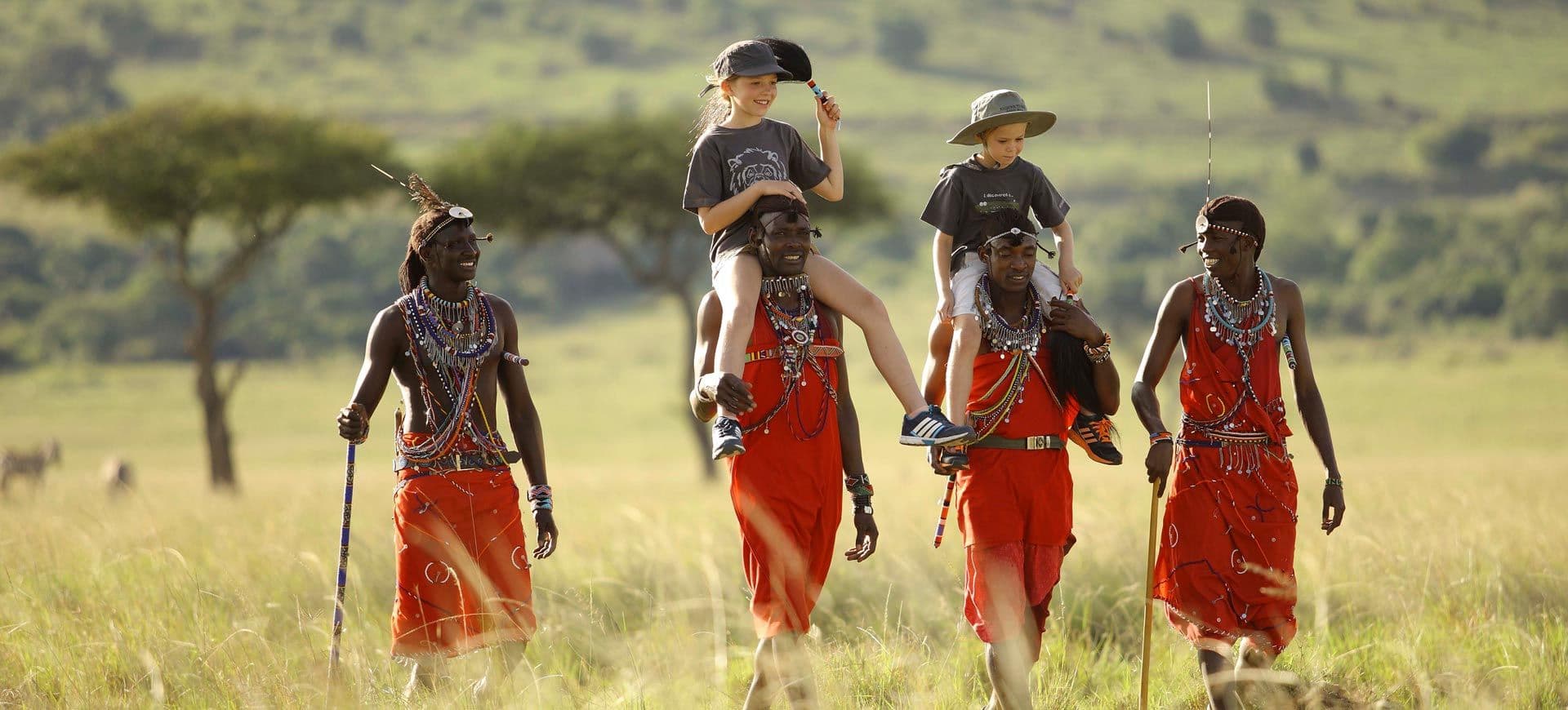
Under six: Most Kenyan and Tanzanian national parks have minimum age requirements for game drives — typically six or seven years old. Check before booking. Private conservancies often have more flexibility, and the Laikipia Plateau is particularly well set up for young children: horse riding for under-tens, camel walks, and cattle musters with Maasai herders.
Six to ten: This is a golden window. Children this age absorb everything a guide tells them and retain it. Sera describes nine-year-olds as "the best clients I have — they ask questions adults are embarrassed to ask." Camps with dedicated junior ranger programmes — Kibo Foothill House runs an excellent one — give this age group structure without keeping them from the core experience.
Eleven to fifteen: Teenagers need agency. The mistake is treating them as older children when they want to be treated as junior adults. Bring them into logistics decisions. Let them set one agenda item per day. Walking safaris — where they're active participants rather than passengers — tend to land better than passive vehicle drives. Sandrivers Ruaha Camp takes accompanied teenagers on bush walks; the experience consistently produces the most engaged travel writing in Arrive Africa's junior diaries programme.
Sixteen and up: At this age, conservation storytelling hits differently. A conversation with a community ranger about human-wildlife conflict, or visiting a snare-removal team on the Laikipia, creates the kind of ethical framework that reshapes how a young person thinks about the natural world for years.
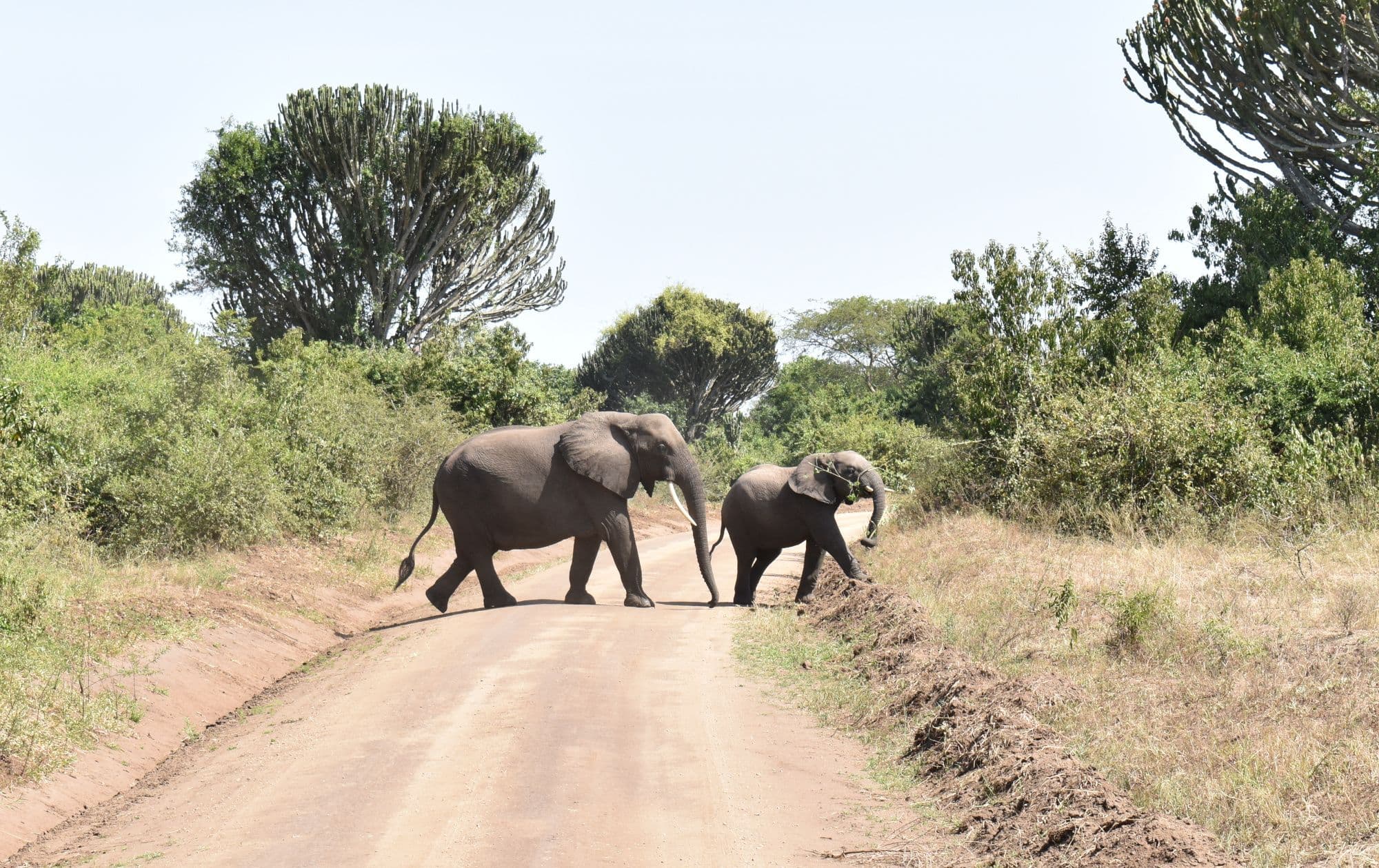
Elephant family - mother and baby - crossing in Queen Elizabeth National Park, Uganda
Arrive Africa Safaris
Camps Built for Families
Not every lodge suits families equally. These properties have been tested with multi-generational groups:
- Kibo Foothill House (Amboseli area): Private house format means the whole family shares a vehicle and a cook. Kids can move between spaces without disturbing other guests.
- Mugie Ridge House (Laikipia): Working conservancy, horses, wide-open spaces. Staff are used to children's energy.
- Olonana Tented Camp (Masai Mara): Family tents with inter-connecting rooms; guided children's activities in the afternoon.
Pacing: The Detail Most Families Get Wrong
Two game drives a day — one at dawn, one in the late afternoon — is the standard safari rhythm. For families with children under twelve, one drive a day, supplemented by a camp activity in the afternoon, is often more sustainable. Tired children don't remember what they saw; rested ones write about it in their journals unprompted.
Build at least one full rest day into any trip longer than seven nights. The instinct to fill every hour works against you in a landscape where the best moments — a hornbill landing on the breakfast table, an elephant ten metres from the veranda at dusk — happen when no one is rushing anywhere.
What to Pack for Children
- Binoculars sized for small hands (8x21 or 8x25)
- A field guide with good illustrations — not a phone app, which drains batteries and disrupts the quiet
- A notebook and coloured pencils for species lists and sketches
- Neutral colours: khaki, olive, grey — bright colours are genuinely disruptive on foot and in open vehicles
- Antihistamine cream and blister plasters, because both will be needed
"The families I remember are the ones who were paying attention together. Not at phones. At the same thing, at the same time." — Sera Achieng, lead guide